

Most fire chiefs didn't get into the job to think about websites. You've got apparatus to maintain, staffing to manage, and a community to protect. The website is usually the last thing on the list -- until something goes wrong.
A recruit fills out an application on a form that never sends. A resident can't find your burn permit page on their phone. Your department gets flagged for ADA non-compliance. Suddenly the website is very much on the list. The good news is that a fire department website doesn't need to be complicated. It needs to do a small number of things well. Here are the five that matter most.
1. A Recruitment Page That Actually Converts
The firefighter hiring crisis is real. Departments across the country are struggling to find qualified candidates, and too many of them have a careers page that amounts to a PDF and a phone number. Your recruitment page should do the work for you. That means a clear description of what the job involves, honest information about pay, benefits, and schedule, and a simple online application that works on a phone. If a candidate has to print something out and mail it in, you've already lost them.
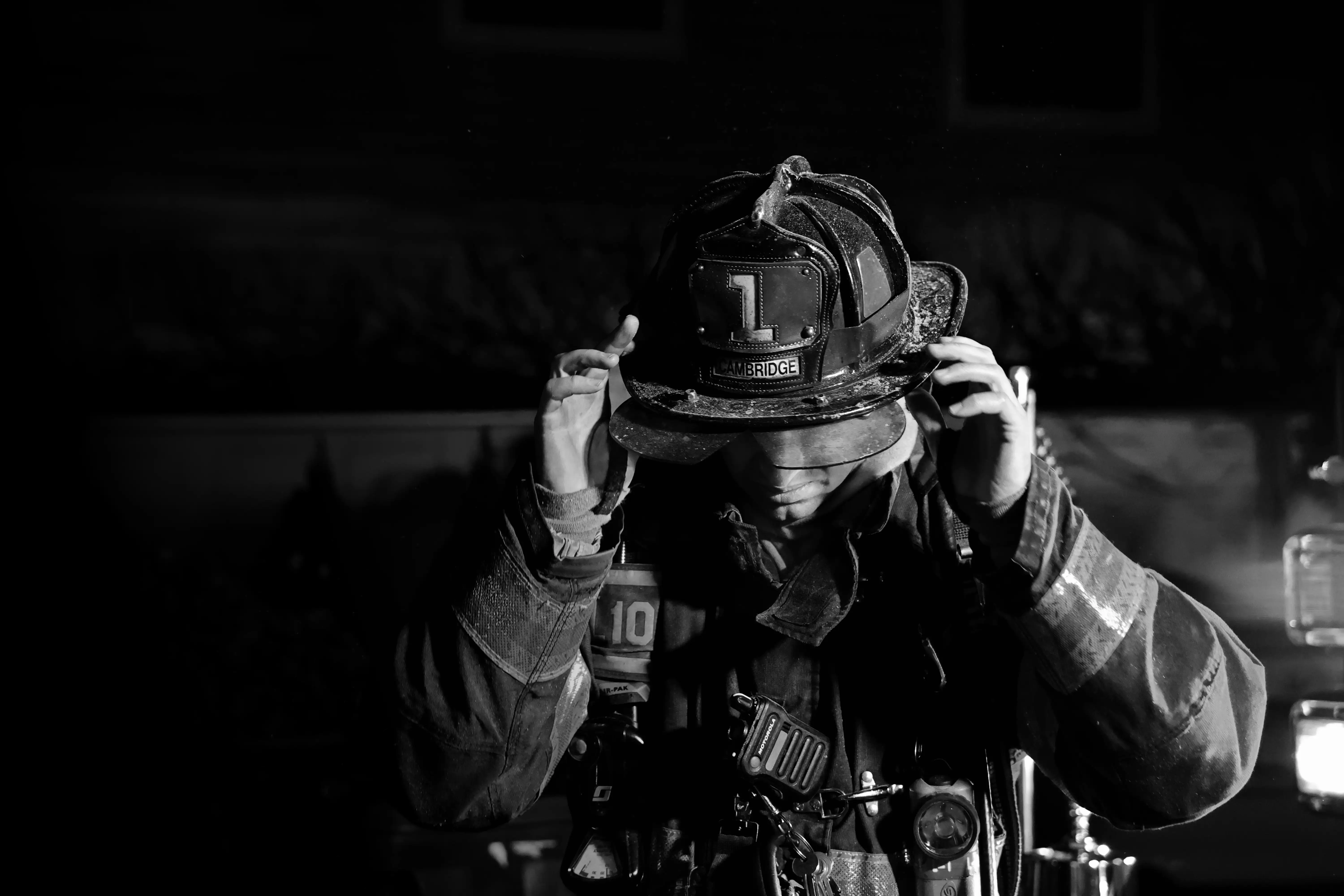
Beyond the logistics, your recruitment page should give candidates a reason to want to work for your department specifically. Photos of your crew, a word from your chief, a sense of the culture. People join departments, not job listings.
2. ADA Compliance
As of the 2024 ADA Title II Final Rule, fire departments have legal deadlines to meet WCAG 2.1 AA accessibility standards. Departments serving 50,000 or more residents must comply by April 2027. Smaller departments have until April 2027.
This is not a gray area anymore. Non-compliant fire department websites face legal exposure, and the residents most affected are often the ones who need your public safety information most -- people with visual, auditory, or mobility disabilities.
Compliance means proper heading structure, alt text on images, keyboard-navigable menus, accessible forms, and strong color contrast. If your current site was built without these in mind, it almost certainly has issues worth fixing before the deadline.
3. Mobile-First Design
More than half of web traffic comes from mobile devices. For fire departments, that number skews even higher -- residents searching for burn permit info, evacuation routes, or emergency contacts are almost always doing it on a phone.
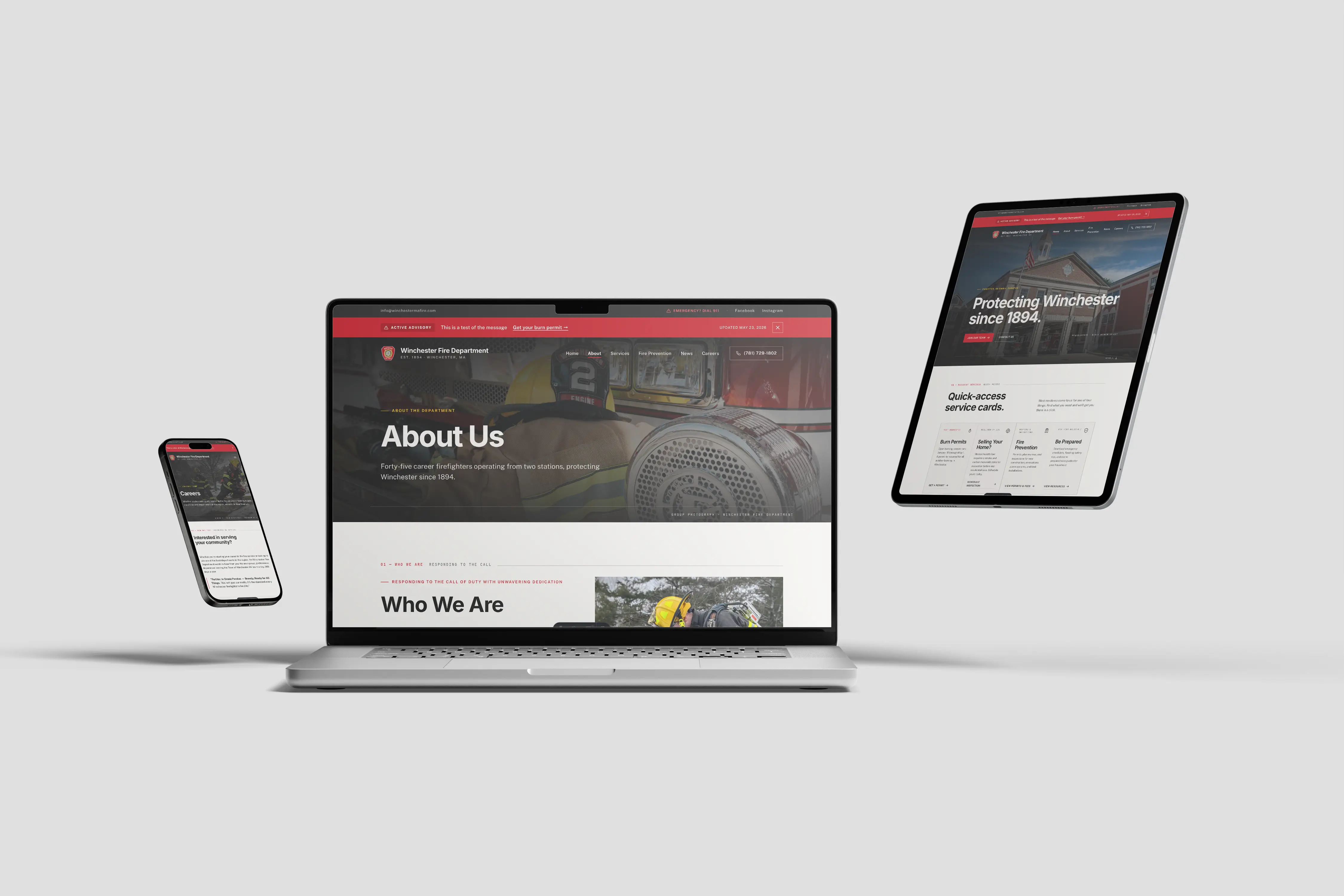
Mobile-first means your site was designed for small screens first, then scaled up for desktop. Not the other way around. The difference shows up in load time, navigation, and whether someone can actually read and use your content without zooming in or scrolling sideways.
If your current site was built more than four or five years ago and hasn't been updated, there's a good chance it's not actually mobile-friendly in any meaningful way. Run it through Google's Mobile-Friendly Test and see where you stand.
4. Easy Content Management
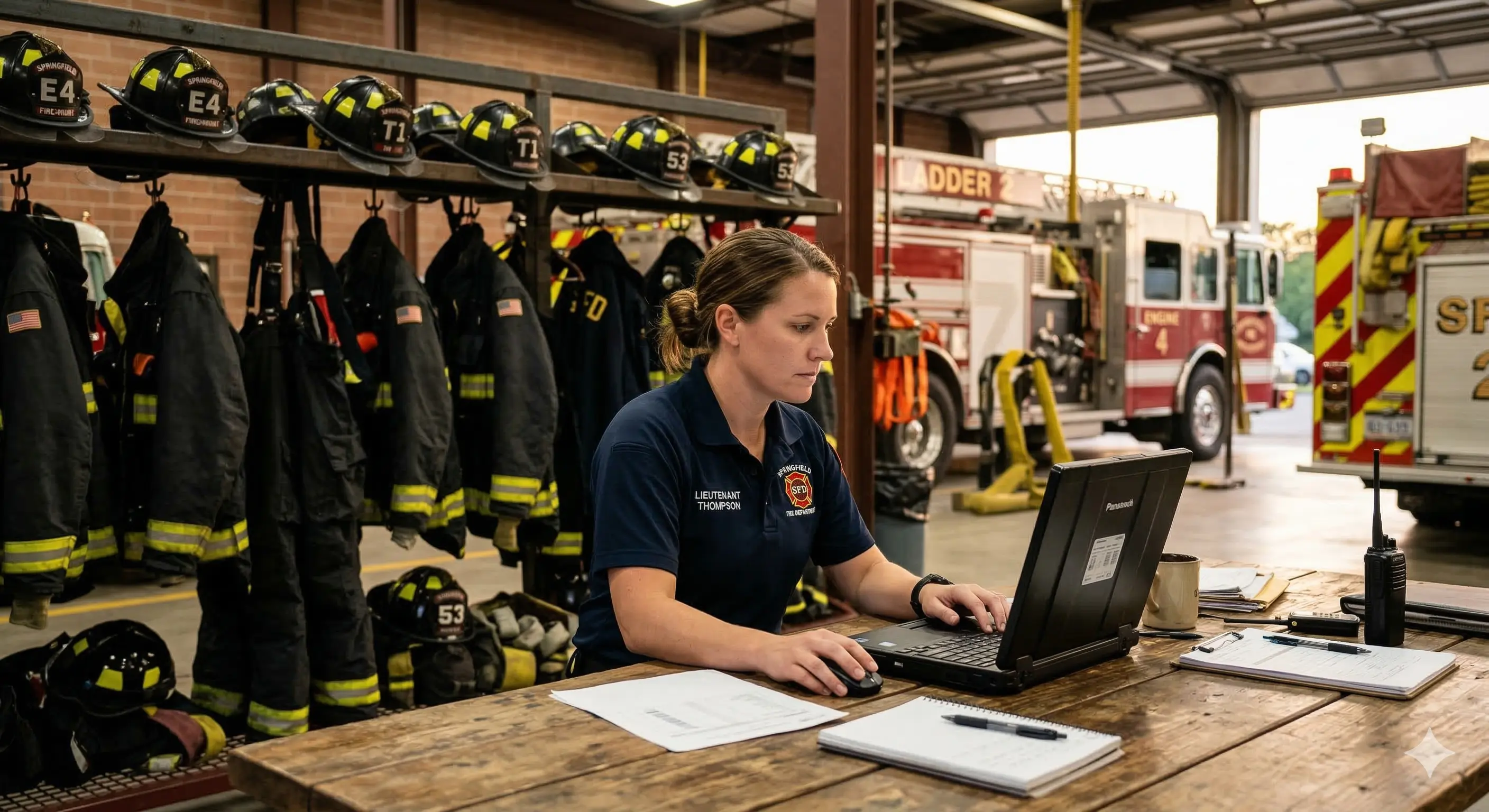
Your website is only as good as the information on it. An outdated site with a closed station listed as open, an old chief's name on the about page, or a news section that hasn't been touched in three years tells the community you're not paying attention. The fix isn't hiring a developer to update your site every time something changes. It's building your site on a platform your admin officer can actually use. That means a CMS where posting a news update takes five minutes, not a support ticket.
The admin role at most departments turns over when officers rotate. Your CMS needs to be simple enough that whoever inherits the job can figure it out without a training course.
5. Reliable Hosting and Security
A fire department website hosted on a cheap shared server is a liability. Shared hosting puts your site on the same machine as hundreds of other websites. When one of them gets hacked or goes viral, your site slows to a crawl or goes down entirely.
Your site needs to be up when your community needs it -- which includes during emergencies, when residents are actively looking for information and can't afford to hit a 503 error. That means enterprise-grade hosting with a real uptime guarantee, daily backups, SSL, and security monitoring.
It also means someone watching the site around the clock. If your department's website goes down at 0200, you need a host or a web partner who knows about it before you do.
The Bottom Line
A fire department website isn't a marketing vanity project. It's public infrastructure. It's how your community finds you, how recruits decide whether to apply, and how residents access life-safety information. It should be built and maintained accordingly.
If your current site is missing any of these five things, that's where to start. Not a redesign, not a new logo -- just the basics, done right.
At The Irons Web Development, we build fire department websites that cover all five. We're firefighters, so we built this list from the inside out. If you want to talk through where your department's site stands, reach out.